
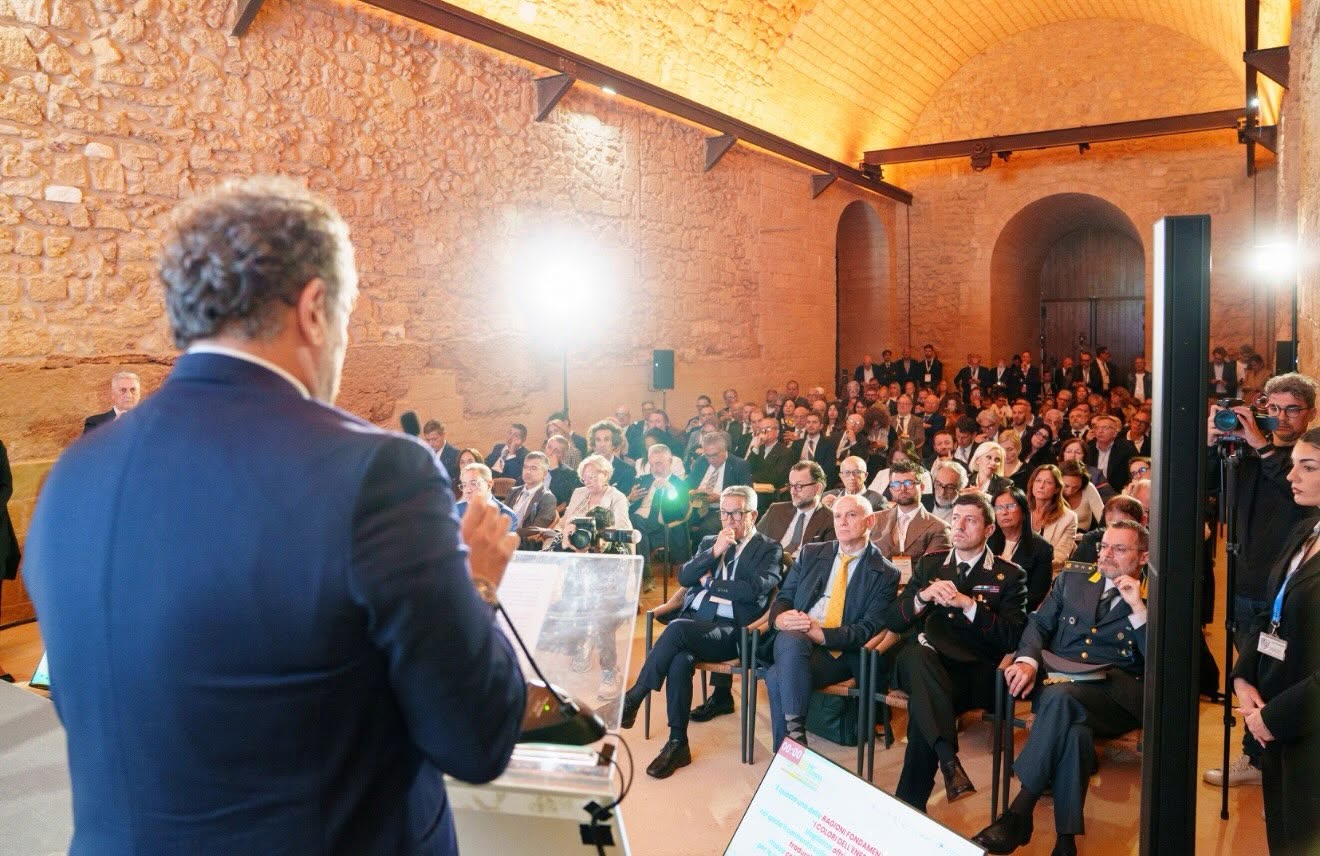
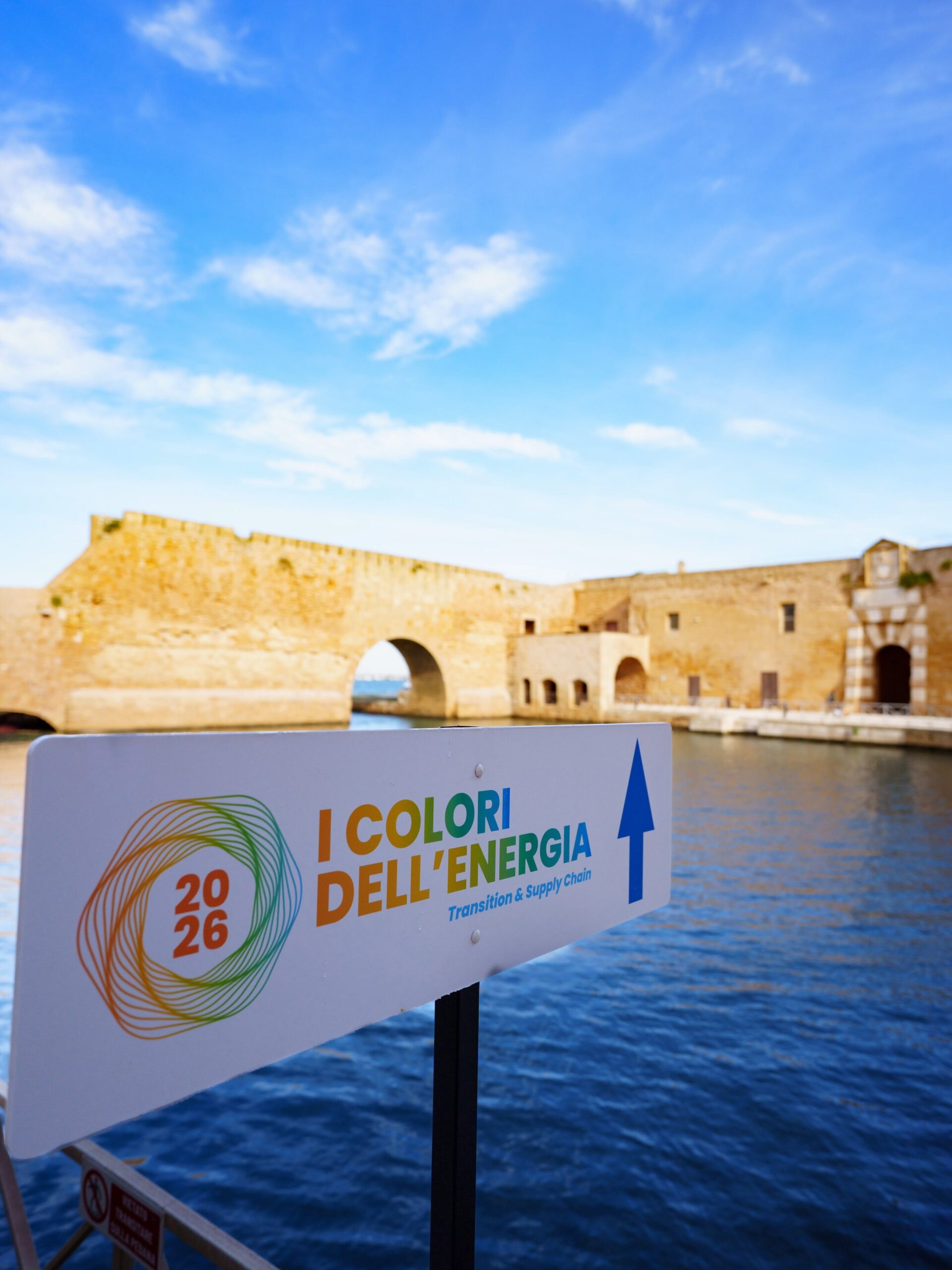
The Scuola dei Mestieri dell’Energia was in Brindisi, at the Castello Alfonsino, for the second edition of I Colori dell’Energia – Transition & Supply Chain (15-17 October 2026). AFORISMA School of Future, which founded the School together with Edison, brought to the panel on skills for the transition a study by its Economic Observatory that, for the first time, reads together, province by province, school figures, companies’ hiring forecasts, installed systems and the sector’s workforce.
The results put into figures what we see every day in our workshops and in our partner companies: the energy transition in Apulia needs hands and minds that are not there today.
The numbers behind our trades
Companies in Apulia expect around 400,000 hires in one year, and at least 27,000 concern technical energy profiles: electrical and electronic technicians, mechatronics technicians, electricians, mechanics and qualified heating and plumbing technicians. In Lecce there are almost 4,900, in Foggia 3,660, in Brindisi 2,660, in Taranto 4,600.
The problem is not the number of vacancies, but finding the people to fill them. In Apulia 38 per cent of hires are hard to fill; for energy profiles the figure rises to 58 per cent. For qualified electricians it reaches 79 per cent in Brindisi and 81 in Taranto. For heating and plumbing system installers, the people who fit heat pumps and hybrid systems, it exceeds 85 per cent. The main cause companies report is just one: there are no candidates.
Where these people should come from
There are 188,000 students in Apulia’s upper secondary schools. Those enrolled in the tracks that lead directly to energy trades – electrical engineering, electronics, automation, mechatronics, energy and maintenance – number fewer than 13,000, 6.8 per cent. Every year around 2,300 students graduate: in Lecce one graduate for every twelve expected hires, in Brindisi one for every seven, in Taranto one for every fourteen.
And the trend is downward: since 2015, enrolments in electro-mechatronic technical institutes have fallen by 11 per cent in Apulia, 13 in Lecce, 20 in Taranto and Foggia. It is not just demographics: it is also a matter of perception. These trades are not presented to young people and their families at the moment they choose a school. Brindisi is the only province bucking the trend, with enrolments up 6.6 per cent.
The jobs are in installation
There is one figure in the study that matters to us more than any other. Workers in the energy sector in the strict sense, i.e. those who produce and distribute electricity and gas, number just over 4,000 in the whole of Apulia. Workers in companies that install and maintain electrical, heating and plumbing systems number almost 33,000, up 20 per cent in ten years. The jobs of the transition, in local areas, are there: in the craft and installation businesses that need technicians trained in the field. That is why the Scuola dei Mestieri dell’Energia trains installation technicians for civil and industrial systems, renewable energy systems technicians and energy-saving systems technicians, with workshops, teachers who come from companies and in-company internships.
The proposals we share
The study closes with four proposals, two of which concern us directly. The first: bring career guidance into lower secondary schools with data in hand, so that a family making a choice knows that in Brindisi an electrical engineering graduate has seven vacancies for every candidate. That is what we do with our career guidance programme in schools. The third: retrain those already in work, using continuing education and the Just Transition Fund to update installation workers on heat pumps, storage and energy communities. The other two concern opening ITS courses dedicated to energy in Brindisi and Lecce, with companies as founding members, and creating a permanent observatory on school and labour data.
For those who are choosing
If you are between 14 and 29 and thinking about what to do, these numbers say one thing clearly: energy trades are among the few where companies are looking for more people than they can find. The training courses of the Scuola dei Mestieri dell’Energia are free, hands-on and built with companies. In Lecce and Foggia enrolment is open for 2026/27; in Sicily the training course for solar energy systems installers and maintenance technicians is about to start.
The full study, with charts, the summary table by province and sources, can be downloaded below.
Request information about the training courses
Sources: MIM Portale Unico dei Dati della Scuola; Unioncamere-Excelsior, monthly bulletins; GSE Statistical Report on Solar Photovoltaics 2024; Terna Statistical Data 2024; ISTAT ASIA Register; INDIRE ITS Academy Monitoring 2025 and 2026. Analysis by the AFORISMA School of Future Economic Observatory. Event: icoloridellenergia.eu.